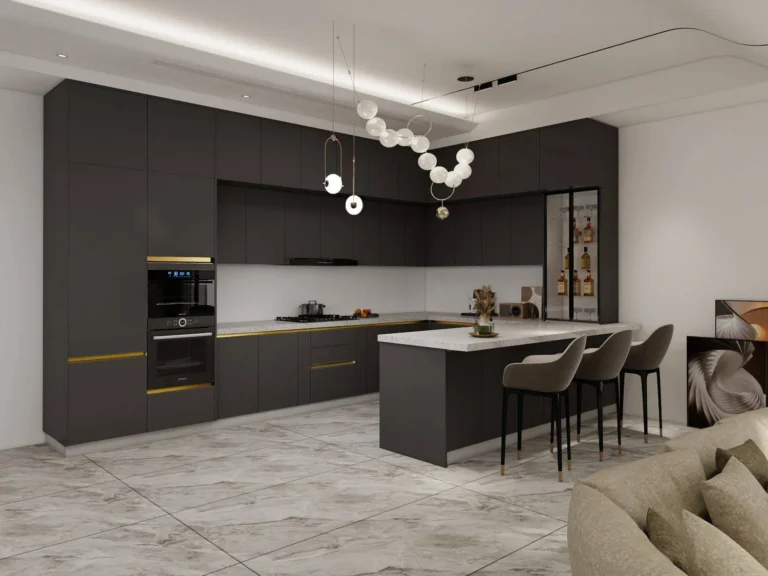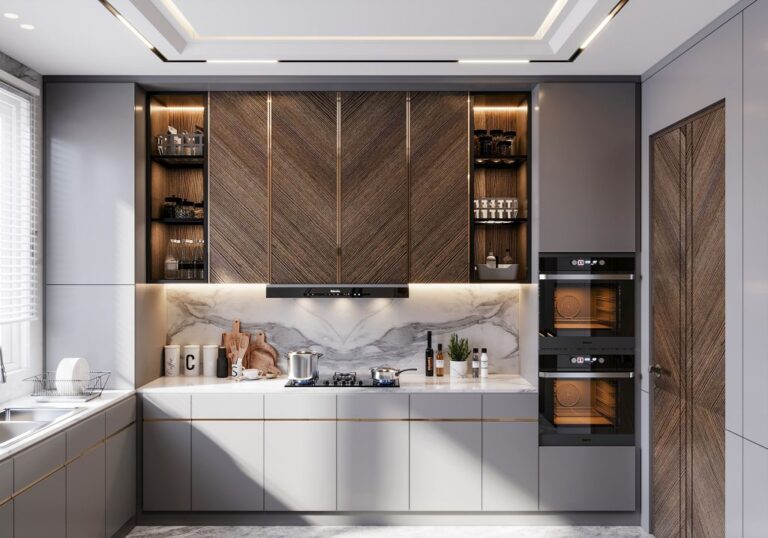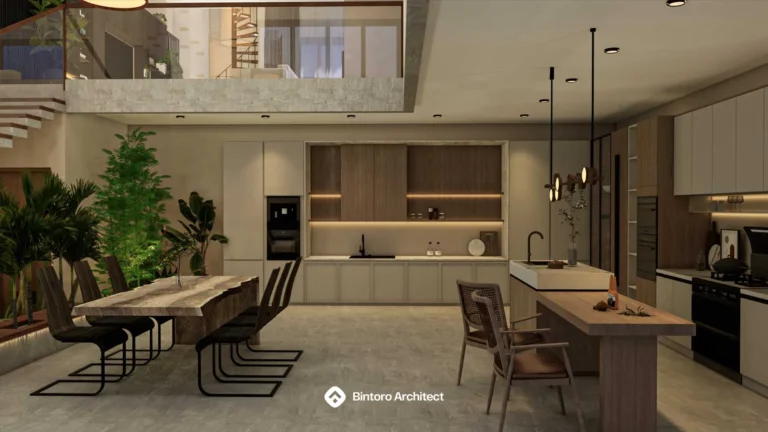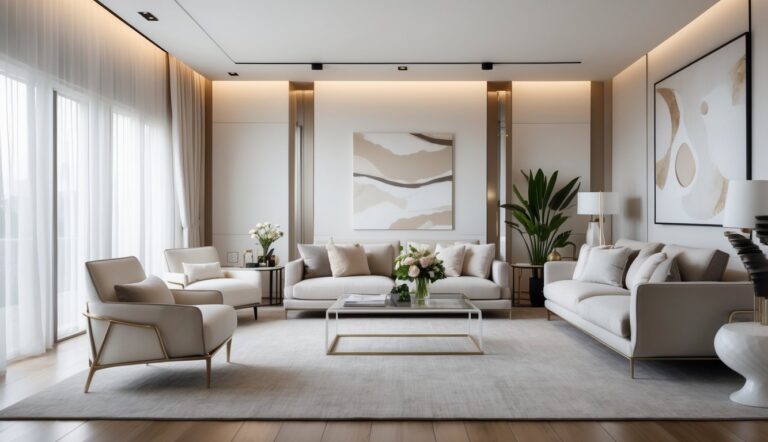
You can create a luxurious European-style kitchen that feels both elegant and timeless without sacrificing everyday functionality. Focus on classic proportions, high-quality materials like natural stone and solid wood, and restrained color palettes to achieve a look that endures and performs.
This article will guide your choices—from layout and lighting to finishes, furniture, and smart integrations—so you can build a kitchen that looks curated and works hard for your lifestyle. Expect practical tips on selecting materials, planning space, and adding finishing touches that elevate the room while keeping maintenance and longevity in mind.
Core Principles of European Luxury Kitchen Design
Focus on proportion, material quality, and purposeful lighting to create a kitchen that feels both elegant and usable. Balance classic details with modern performance so the space remains comfortable and efficient for everyday cooking.
Defining Luxury in European Kitchen Style
Luxury centers on refined materials and thoughtful detailing rather than excess ornament. You’ll choose solid-wood or lacquered cabinetry with precise joinery, natural stone or honed marble countertops, and high-grade metal hardware that ages well. Integrated, high-performance appliances—flush or paneled to match cabinetry—keep sightlines clean while delivering professional-level function.
Lighting plays a key role: layered lighting combines task fixtures over work zones, warm accent lighting for display cabinets, and dimmable ambient light to set mood. Scale and proportion matter; generous work aisles (at least 120 cm where possible), substantial countertops, and a well-sized island create a sense of roominess that reads as luxury.
Timeless Elements Versus Trends
Identify which features will endure and which are seasonal. Timeless choices include neutral palettes (creams, warm whites, muted greys), classic cabinetry profiles (shaker, inset), and durable natural materials like marble, oak, or limestone. These give your kitchen longevity and resist dated looks.
Trends you can adopt selectively include matte black fixtures, mixed metals, or bold tile backsplashes. Use them as accents—hardware, pendant lights, or a patterned backsplash—so you can update without remodeling. Prioritize finishes and layouts that allow incremental changes: swapable handles, repaintable cabinets, and modular islands keep the core design timeless while letting you refresh the aesthetic.
Blending Functionality with Aesthetics
Design around how you cook and store. Define clear work zones—prep, cooking, cleaning, and storage—so movement flows logically from fridge to sink to cooktop. Choose drawer organizers, appliance garages, and pull-out pantries to hide clutter while keeping essentials at hand.
Select surfaces for both beauty and resilience: sealed marble or engineered stone for visual luxury, combined with durable splash areas like porcelain tile behind high-heat zones. Position outlets, waste sorting, and task lighting where you actually work. The result should feel purposeful: elegant sightlines plus practical solutions that support daily use without compromising style.
Signature Materials and Finishes
Choose materials that balance visual luxury with long-term performance. Focus on durable surfaces, refined joinery, and restrained metallic details to achieve a European look that feels both elegant and functional.
Classic Marble and Natural Stone
Marble and natural stone define a refined palette. Use honed Carrara or Calacatta for countertops and waterfall islands to keep veining as a focal point without overwhelming the space. Select a leathered or honed finish for counters that hides wear better than polished surfaces.
For backsplashes, consider a bookmatched slab behind the range to create a strong visual anchor. Limit grout lines by using large-format stone or continuous slabs; this reduces maintenance and emphasizes clean lines. Seal porous stones and schedule annual resealing to prevent staining from oils and acidic foods.
Mix stone types sparingly. Pair a lighter marble top with a darker honed stone floor for contrast, or use stone accents—like a raised breakfast bar—rather than cladding every surface to control cost while preserving luxury.
Premium Woodwork and Cabinetry
Invest in solid-wood face frames and dovetailed drawer boxes for durability you can see and feel. Choose oak, walnut, or painted beech depending on the regional European influence you want: oak for English or rustic, walnut for Italian warmth, and painted beech for French or Shaker-inspired looks.
Prioritize tight-fitting doors, soft-close hinges, and full-extension undermount runners. Use inset doors or recessed rails for a classic silhouette; overlay doors can work if you want a slightly more contemporary edge. Stain or paint should be applied in multiple thin coats with a catalyzed or waterborne topcoat to resist kitchen humidity.
Design functional interiors with solid dividers, pull-out pantries, and built-in spice racks. These details keep the elegant exterior uncluttered while improving usability and longevity.
Elegant Metal Accents
Pick metals that complement your stone and wood tones rather than dominate them. Brushed brass and antique bronze add warmth to marble and wood, while satin nickel or matte black suit cooler palettes like grey stone and white cabinetry.
Specify solid metal hardware and substantial faucets—look for 3/8-inch threaded stems and ceramic-disc cartridges for durability. Use consistent finishes across visible items: cabinet pulls, lighting, and plumbing fixtures should match or belong to a coordinated palette to maintain a cohesive look.
Introduce metal subtly: a brass trim on open shelving, a stainless-steel strip on a custom range hood, or metal-clad island legs. That restrained use gives a high-end feel without appearing ostentatious.
Color Palettes for an Elegant, Timeless Look
Choose a restrained base of neutrals to keep the space light and versatile, then add one or two strong accents to create focal points. Prioritize durable finishes and coordinated metal tones so colors read cohesive across cabinets, counters, and hardware.
Neutral Tones in European Kitchens
Neutral palettes form the backbone of European-style luxury kitchens. Use warm creams, soft greiges, and porcelain whites on walls and upper cabinets to reflect light and make the room feel larger. Pair those with muted stone grays or soft taupe on lower cabinets or islands to anchor the layout without heavy contrast.
Select countertop materials that complement the neutrals—calacatta or honed marble for subtle veining, or engineered quartz in warm white for durability. Match metals carefully: polished brass or aged bronze warms cream tones, while satin nickel suits cooler grays. Keep trim and moldings one to two shades lighter or darker than adjacent surfaces to preserve depth without visual clutter.
Bold Hues as Statement Features
Introduce bold colors sparingly to create intentional focal points. Consider a deep navy island, forest green lower cabinets, or matte black range hood as single-feature accents that retain a refined profile. These saturated elements catch the eye but still read timeless when balanced with neutral surroundings.
Use accents in repeat: a painted island, matching backsplash tile band, or colored pantry door ties the hue through the room. Limit bold choices to one primary color plus a supporting metallic—copper pulls with emerald cabinetry, for example. Keep finishes matte or soft-sheen; high-gloss trends age faster and can undermine the classic European aesthetic.
Layout and Spatial Planning
Plan flows, work zones, and sightlines so cooking, serving, and socializing feel natural. Prioritize efficient work triangles, clear circulation paths, and generous daylight to keep the space both functional and elegant.
Optimal Kitchen Layouts
Choose a layout that matches your cooking habits and the room’s dimensions. For frequent cooking and multiple cooks, a U-shaped or L-shaped layout with a peninsula gives continuous countertop space and clear separation between prep, cook, and cleanup zones.
If you entertain often, place an island with a prep sink and seating 1–1.2 meters from counters to allow traffic flow and a working triangle that doesn’t cross seating areas.
Use these spatial rules:
- Work triangle sides: 1.2–2.7 meters each for efficient movement.
- Aisle widths: 1.2–1.5 meters for two people; 0.9–1.2 meters for single-cook zones.
- Counter depth: 60–75 cm for standard prep; include a deeper island countertop for seating.
Plan appliance grouping—fridge near entrance, stove in central cooking zone, dishwasher next to sink—to reduce wasted steps. Use built-in storage at floor-to-ceiling heights to maintain a clean, European aesthetic while keeping essentials within reach.
Open Concept Versus Separate Spaces
Decide how much you want the kitchen to connect with living areas based on noise, smell, and entertaining needs. An open-concept layout creates visual continuity and lets you host while you cook; include a hood with at least 600–900 CFM and zoning for odors if you cook heavily.
For a refined European feel, use partial divisions like a glass partition, pass-through window, or peninsula to maintain sightlines while reducing direct noise and steam transfer.
Separate kitchens work well when you need formal dining spaces or prefer hidden mess. If you choose separation, ensure a practical service route between kitchen and dining, and add a pocket door or mahogany service hatch for quick access without sacrificing the elegant look.
Maximizing Light and Space
Position primary work zones near the largest source of daylight—typically a window above the sink or a bright island-facing wall. Use layered lighting: strong task lights over stove and prep counters, softer ambient fixtures for dining, and accent lighting inside glass-front cabinets.
Reflective materials—light marble or honed limestone countertops and pale painted cabinetry—amplify daylight. Keep upper cabinets to a moderate height and use open shelving or glass-front units to reduce visual bulk.
Consider a narrow skylight or roof lantern for deeper footprints, and specify windows with slim frames to maximize glass area. Maintain at least 0.6–0.9 meters of clear landing space next to major appliances so light and movement remain unobstructed.
Essential Details and Finishing Touches
Focus on high-impact details that read as handcrafted: trim and cornices that define proportions, backsplashes that become focal points, and appliances that disappear into the cabinetry for a seamless look.
Decorative Moldings and Cornices
Choose crown molding profiles that match the ceiling height and cabinet style; for 3-meter ceilings, use taller, layered profiles (120–200 mm) to keep proportions balanced.
Use MDF or solid wood for painted finishes; select pre-primed MDF for straight runs and beaded or knotty maple for stained surfaces. These materials resist cracking and give crisp miters on corners.
Install corbels and pilasters at cabinet ends to reinforce a classical feel. Keep spacing consistent—corbels every 90–120 cm reads intentional rather than cluttered.
Seal joins with paintable caulk and back-miter inside corners to hide gaps. Finish all moldings in the same sheen as trim—usually satin or eggshell—to avoid visual inconsistency.
Intricate Backsplashes
Pick materials that balance beauty and maintenance: honed marble for subtle veining, hand-cut ceramic subway tile for texture, or porcelain slabs for durability. Use a grout color that complements stone veins rather than matching tile exactly to avoid emphasizing seams.
Create pattern focal points behind the cooktop—such as a herringbone inset framed by bullnose trim—or extend the backsplash full height to the ceiling for dramatic impact in tall spaces.
Specify sealing for natural stone and choose rectified tiles for tighter grout lines. For grout joints under 3 mm, use high-quality epoxy grout to resist staining and yellowing. Include an easy-clean splash zone of stainless steel behind heavy-use areas if you cook frequently.
Integrated Appliances
Aim for panel-ready appliances to maintain uninterrupted cabinet faces. Refrigerators, dishwashers, and range hoods with cabinet panels preserve the aesthetic while offering full function. Match panel thickness and cabinet hardware spacing to prevent misalignment over time.
Plan ventilation and service access early: allow 50–100 mm clearance behind panel refrigerators for airflow and a removable toe-kick for dishwasher service. Use custom trim to conceal gaps around built-in ovens and microwaves, and specify anti-tipping brackets and soft-close mechanisms for safety and refinement.
Finally, wire appliances to dedicated circuits and place controls at comfortable ergonomics—about 120–140 cm above finished floor—to keep the design both elegant and practical.
Lighting Strategies for Sophistication
Good lighting defines texture, color, and mood in a European-style kitchen. Aim for layered illumination that highlights surfaces, supports tasks, and adds a refined focal point.
Chandeliers and Pendant Lighting
Choose a chandelier or pendant as a central visual anchor above an island or dining area. For a European look, pick materials like aged brass, matte black iron, or crystal accents that match your cabinet hardware and faucet finishes. Scale matters: keep fixture width roughly one-half to two-thirds the island depth and hang pendants 30–36 inches above the countertop for 36-inch-high cabinets; raise slightly for taller ceilings.
Use dimmable bulbs with warm color temperature (2700–3000K) to preserve the cozy, elegant palette of woods and marbles. Consider layered bulbs or multi-tiered chandeliers to distribute light evenly while creating depth. If you want symmetry, install pendants in pairs or threes spaced 24–30 inches apart, center-aligned with the sink or cooking zone.
Under-Cabinet and Recessed Lights
Install under-cabinet LEDs to illuminate work surfaces and reduce shadows from overhead fixtures. Choose linear LED strips with diffusers for even, shadow-free task light; aim for 300–500 lux at the countertop for chopping and prep. Position strips toward the front edge of lower cabinets or inside a small valance to avoid visible glare.
Recessed ceiling lights provide ambient fill without cluttering the visual lines of classic cabinetry. Space recessed fixtures 4–6 feet apart depending on ceiling height and beam angle, and use adjustable trims near cooking zones to control direction. Match color temperature and dimming control across pendants, under-cabinet, and recessed lights to keep finishes and food colors consistent under all lighting conditions.
Furniture and Accessories Selection
Choose pieces that balance form and function: prioritize solid construction, premium materials, and details like carved profiles or brass hardware. Aim for a restrained palette—cream, warm oak, marble, and aged metals—to keep the look elegant and timeless.
Classic European Dining Sets
Select a dining table with a solid-wood core—oak, walnut, or painted beech—with joinery that tolerates daily use. Look for tables with turned or fluted legs and a subtle apron; these details read as European without appearing ornate.
Chairs should combine comfort and style. Choose upholstered seats in linen or leather with high backs and modest tufting. For a cohesive look, mix two armchairs at the head with side chairs along the sides.
Size the set to leave 90 cm (36 in) clearance from table edge to walls or cabinets. Finish choices matter: matte lacquer or hand-rubbed stain keeps the set from looking too glossy or trendy. Add a runner and a simple centerpiece—fresh herbs in a ceramic pot—to complete the arrangement.
Luxury Bar Stools
For an island or breakfast bar, pick stools 25–30 cm (10–12 in) lower than the counter height for proper ergonomics. Prioritize a solid frame—steel with brass plating or hardwood—and test the swivel and footrest for stability.
Choose seat materials that withstand spills: aniline leather, performance fabric, or sealed wood. Back height depends on use; low-back stools (30–40 cm/12–16 in) maintain openness, while mid-back (40–60 cm/16–24 in) offers better lumbar support.
Design details define the style. Look for brass foot rails, tapered legs, or ring pulls on the back. Limit color accents to one muted tone—deep navy, olive, or charcoal—to keep the palette restrained.
Heritage-Inspired Decor
Select a few artisan pieces that reference European craft: hand-carved corbels, a forged-iron pot rack, or a plaster medallion above the hood. These elements add authenticity without cluttering the space.
Use textiles sparingly. Opt for a woven runner, linen dish towels, and a wool throw on a nearby bench. Stick to natural fibers and neutral tones; pattern should be subtle—small checks or faded florals.
Lighting should combine utility and character. Choose a chandelier with crystal or blown glass for formal zones and brass or blackened-iron pendants over work areas. Keep accessories functional: ceramic canisters, copper pans, and a wooden chopping board that shows use.
Innovative Storage Solutions
Maximize usable space while maintaining the clean, elegant lines of European design. Prioritize functional layouts, durable materials, and concealed elements that preserve a calm visual flow.
Custom Pantry Designs
Design your pantry to match the kitchen’s finish and workflow rather than fitting a generic cabinet. Install full-height pull-out shelving with soft-close slides so you can access spices, oils, and small appliances without bending or digging. Use adjustable shelves and dedicated zones: one for canned goods, one for baking supplies, and one for frequently used items at eye level.
Integrate built-in features like a spice drawer with angled inserts, a slide-out cutting board, and labeled glass containers for dry ingredients. Choose materials that resist moisture and stains—laminate or sealed oak work well—and add LED strip lighting inside shelves for visibility. Keep the pantry door style consistent with surrounding cabinetry to maintain the European aesthetic.
Hidden Compartments
Conceal storage to preserve the minimalist elegance typical of European kitchens. Use toe-kick drawers beneath base cabinets for rarely used baking sheets and trays. Fit a hinged false drawer front that opens into a narrow vertical storage slot for chopping boards and trays, keeping counters uncluttered.
Incorporate pop-up countertop compartments for trash, recycling, or small appliances; they stay hidden when not in use. Install a lift-up appliance garage with a retractable door to hide the coffee machine while keeping it ready. For maximum discretion, align hidden compartments with cabinet lines and use touch-to-open hardware so openings remain seamless and unobtrusive.
Incorporating Smart Technology in Timeless Designs
You can add smart technology without sacrificing the restrained elegance of a European-inspired kitchen. Prioritize discreet integration so devices support function while remaining visually subtle.
Choose appliances with classic finishes—matte black, brushed brass, or panel-ready fronts—that blend with cabinetry. Hidden features like lift-up vents, integrated refrigerators, and paneled dishwashers keep sightlines clean.
Use smart lighting to preserve atmosphere and control mood. Install layered lighting (task, ambient, accent) and connect it to scenes you can adjust from your phone or voice assistant.
Consider a compact control hub rather than scattered touchscreens. A single, wall-mounted panel or an app that centralizes stove, oven, lighting, and climate preserves the room’s timeless look.
Table: Smart features that suit a timeless European kitchen
- Smart lighting scenes: preserve warm, soft palettes
- Panel-ready appliances: maintain continuous cabinetry
- Concealed range hoods: reduce visual clutter
- Integrated water filtration with smart leak sensors: add safety without bold aesthetics
Keep user experience simple: prioritize intuitive controls, reliable connectivity, and security updates. Choose interoperable systems so you can replace or upgrade components without redoing finishes.
Finally, plan wiring and mounting during renovation to avoid later surface-mounted fixes. That foresight keeps your kitchen both elegant and future-ready.
Sustaining Luxury: Maintenance and Longevity
You maintain a European-style luxury kitchen by prioritizing durable finishes and routine care. Choose materials like honed stone, engineered quartz, and high-quality hardwood that resist daily wear and retain their refined look.
Clean surfaces with appropriate, mild products to avoid dulling finishes. For stone and marble, use pH-neutral cleaners; for wood, use recommended oils or waxes to preserve grain and color.
Protect high-use areas with simple habits: use cutting boards, trivets, and soft cloths to prevent scratches and heat damage. These small actions reduce the need for repairs and keep details—like brass hardware or decorative moldings—looking new.
Schedule periodic professional maintenance for items that age visibly, such as refinishing wood cabinets or resealing countertops. This preserves both function and value, and prevents minor issues from becoming costly restorations.
Use this quick care checklist to stay on track:
- Daily: wipe spills immediately; use soft microfiber cloths.
- Weekly: clean appliances and cabinet fronts with suitable cleaners.
- Quarterly: inspect grout, seals, and hardware for loosening or wear.
- Annually: reseal stone surfaces and service built-in appliances.
You’ll extend the life of your kitchen by combining sensible material choices with consistent upkeep. That approach keeps a luxurious European aesthetic timeless and practical for everyday use.
Conclusion
You can create a European-style luxury kitchen that feels both elegant and timeless by focusing on quality materials, balanced proportions, and thoughtful details. Prioritize durable finishes like natural stone and solid wood, and keep hardware and fixtures refined rather than overly ornate.
Mix classic elements—molding, paneled cabinetry, warm wood tones—with modern functionality such as concealed storage and efficient lighting. This blend preserves the aesthetic while making daily use easier and more enjoyable.
Use a restrained color palette to ensure cohesion and longevity. Accent with subtle textures and metals to add depth without overwhelming the space.
If budget matters, allocate funds to the most visible and functional items: countertops, cabinetry, and lighting. You can achieve a high-end look by combining select premium pieces with well-chosen, cost-effective complements.
Design decisions should reflect your lifestyle and the home’s architecture. Aim for a kitchen that serves cooking, gathering, and display, so the space remains practical as well as beautiful.