You can give your kitchen an unmistakable premium feel by using marble thoughtfully—countertops, backsplashes, islands, and even appliance surrounds all become focal points when balanced with warm wood and refined metal accents. Marble delivers timeless elegance, strong visual contrast, and long-term durability when you choose the right type, finish, and layout for your daily use.
This article walks you through how to plan a luxurious marble kitchen: how marble shapes the overall aesthetic, smart layout choices to highlight veining, inventive applications beyond counters, and how to pair color, lighting, and materials so the space feels both upscale and livable. You’ll also get practical guidance on maintenance, cost expectations, and sourcing marble responsibly, so you can make informed decisions that match both style and lifestyle.
Expect inspirational examples and clear trade-offs to help you decide where marble makes sense in your kitchen and where alternative materials might perform better.
The Elegance of Marble for a Luxurious Kitchen
Marble gives your kitchen a clear visual hierarchy: dramatic veining, reflective surfaces, and tactile coolness. It pairs well with warm woods, matte metals, and neutral palettes to create a premium, cohesive look.
Why Marble Is the Material of Choice for Premium Kitchens
You choose marble when you want an unmistakable sign of luxury that also reads as timeless. Its natural veining patterns act like artwork across islands and countertops, so each slab becomes a focal point rather than just a surface. Marble’s light-reflective qualities brighten the room, which helps open compact kitchens without changing layout.
Designers and homeowners also appreciate marble for its versatility: honed finishes feel modern and tactile, polished finishes read glossy and formal. You should consider traffic and use—marble is porous and can stain, so plan sealants and surface protection where you prep or place acidic items.
Popular Types of Marble for Kitchen Interior
Carrara, Calacatta, and Statuario remain the most sought-after marbles for kitchens because of their distinct veins and color backgrounds.
- Carrara: soft gray veins on a cooler white background; more affordable and subtle.
- Calacatta: bolder, dramatic veins with warm undertones; prized for statement islands.
- Statuario: strong contrast and brightness; ideal for high-impact backsplashes and feature walls.
You can also explore rarer varieties like Nero Marquina for black-veined drama or Thassos for ultra-white brightness. Match the marble’s scale of veining to your cabinet and floor patterns—large, sweeping veins suit open-plan kitchens, while finer veins work better in compact or busy spaces.
Benefits of Marble in Kitchen Design
Marble offers aesthetic and functional advantages when used thoughtfully in kitchens.
- Visual impact: Marble elevates perceived value and creates a clean, refined aesthetic.
- Durability: As a natural stone, marble resists heat and can handle hot pans briefly, making it practical for cook zones.
- Customization: You can bookmatch slabs across islands and backsplashes for continuous veining, producing a bespoke, high-end look.
- Longevity: With regular sealing and care, marble ages gracefully and can retain its appearance for decades.
Be realistic about maintenance: you’ll need routine sealing and prompt cleaning of spills to avoid etching and staining. Plan protective details—cutting boards, trivets, and designated prep zones—to keep marble looking premium while you cook.
Designing a Luxurious Kitchen Layout with Marble
Focus on traffic flow, work zones, and where marble will create impact without sacrificing durability or maintenance. Balance marble surfaces with warm cabinetry and metal accents for a premium, practical kitchen.
Planning Functional and Stylish Spaces
Map your work triangle first: place stove, sink, and refrigerator within 1.2–2.7 meters of each other for efficient movement. Add a dedicated prep zone next to the sink and a baking station near an oven or microwave.
Keep an island at least 1 meter from surrounding counters to allow two people to pass comfortably. If you entertain, design seating on the island with 30–40 cm knee clearance per person.
Use task-focused lighting over prep and cooking areas, and add dimmable ambient lighting for mood. Prioritize storage: full-height pantry, deep drawers for pots, and a pull-out trash system near prep areas reduce clutter and protect marble from stains.
Optimizing Marble Placement in the Kitchen
Reserve marble for high-impact horizontal surfaces: main countertops, waterfall island faces, and a backsplash behind a range hood. Choose honed finish for countertops to hide etching; use polished marble on vertical areas like backsplashes where shine adds elegance.
Match slab veining across visible seams for a continuous look on island faces and countertop runs. Protect marble in high-heat zones by installing a small inset of stainless steel or a heat-resistant surface behind the cooktop.
Specify a sealer and schedule resealing every 12–24 months depending on use. Use cutting boards and trivets; never place hot pans directly on marble. For color selection, pick tones that mask common food stains—warmer grays and beige-marble patterns hide discoloration better than pure white.
Integrating Marble with Other Premium Materials
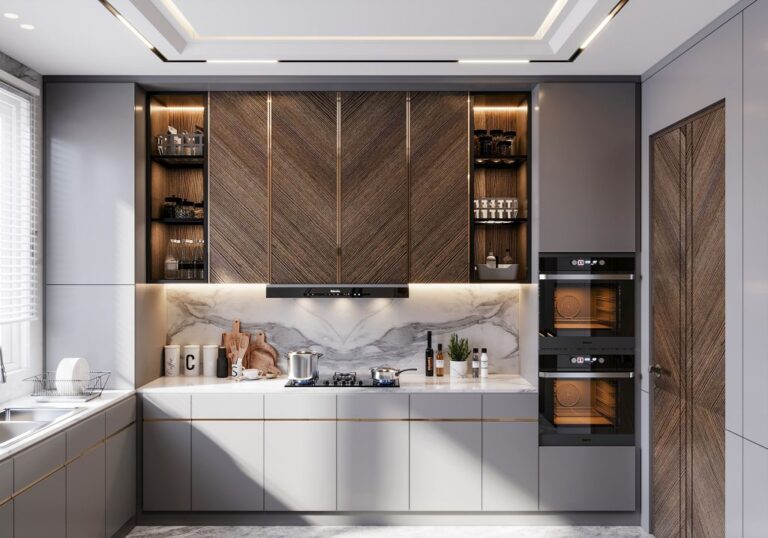
Combine marble with warm wood cabinets to soften its coolness; choose hardwoods like walnut or oak stained medium to dark for contrast. Add brushed brass or matte black metal hardware to introduce a luxe accent without overpowering the marble.
Use sintered stone or quartz for secondary countertops in heavy-use zones if you want marble aesthetics with higher durability. For visual cohesion, repeat a metal finish in lighting, faucets, and cabinet pulls.
When pairing textures, keep countertop edges simple—eased or beveled profiles suit contemporary luxury and reduce chips. Finally, plan for consistent grout and joint details: matching grout color and tight joints maintain the premium look and make cleaning easier.
Innovative Marble Applications in Kitchen Design
Marble can elevate both aesthetics and function through targeted uses: durable work surfaces, eye-catching vertical elements, and coordinated flooring solutions. You’ll find options that balance maintenance, slip resistance, and visual impact while matching your kitchen’s workflow and style.
Marble Countertops and Islands
Choose marble for countertops where heat resistance and visual luxury matter most. Opt for honed finishes in high-use zones to reduce visible etching; polished finishes work well on islands that serve primarily as dining or display areas.
Consider thicker slabs (20–30 mm or bundled with plywood substrates) for islands to create a substantial, furniture-like presence. Use bookmatched slabs on long islands to produce a continuous vein pattern across the surface. Pair marble tops with undermount stainless sinks and integrated drainage grooves to keep cleaning efficient.
Protect high-traffic surfaces with sealers rated for food-prep areas and schedule re-sealing every 12–24 months depending on use. For heavy-cooking households, combine marble prep zones with a small section of engineered stone near cooktops to resist staining and acid exposure.
Marble Backsplashes
Marble backsplashes give a strong visual focal point and can be installed from counter to ceiling for dramatic, cohesive effect. Choose thicker slab backsplashes for minimal grout lines; full-slab backsplashes reduce seams and simplify cleaning.
Select veining patterns that complement your countertop to avoid visual competition. Use honed or textured finishes behind cooking areas to hide splatters, and glazed sealants on polished backsplashes to improve stain resistance. Install a stainless strip or glass panel directly behind high-splash zones (stovetops) to protect marble while preserving the look.
For maintenance, apply a penetrating sealer and clean with pH-neutral detergents. Keep grout joints minimal—epoxy grout can be a durable, stain-resistant choice where seams are unavoidable.
Marble Flooring Solutions
Marble flooring adds continuity from floor to counters, but slip resistance and durability must guide your choice. Select textured or honed finishes in circulation zones to increase traction; polished flooring suits lower-traffic, adjacent dining spaces.
Tile size affects installation and appearance: large-format slabs (60×120 cm and up) reduce grout lines and present a more seamless, upscale look. Consider a mixed-material approach—marble in sightlines and engineered porcelain with marble-look in work zones—to optimize cost and wear resistance.
Account for underfloor heating compatibility; marble conducts heat well, improving system efficiency. Plan for routine maintenance: reseal periodically, avoid acidic cleaners, and use area rugs near sinks to protect high-moisture locations.
Marble Wall Accents
Use marble wall accents to frame appliances, niche shelving, or a coffee station for targeted luxury without full-surface commitment. Thin-slab cladding (3–6 mm composite or sintered stone with marble pattern) cuts weight and cost while preserving the marble aesthetic.
Combine marble panels with metal trims—brass or brushed stainless—to create crisp junctions and reinforce a premium look. Floating marble shelves mounted on concealed brackets add function and visual depth; choose thicker shelf slabs or steel cores for strength.
For kitchens with limited budget, apply marble veneer in focal zones only. Seal veneers and panel joins to prevent moisture ingress behind panels. You’ll achieve a high-end appearance while controlling cost and maintenance demands.
Color Palette and Lighting for a Premium Marble Kitchen
Choose a restrained palette and targeted lighting to highlight marble veins, balance warmth and contrast, and maintain a premium atmosphere. Use color to anchor cabinetry and backsplashes, and use layered lighting to make marble surfaces read as textured, not flat.
Selecting Complementary Color Schemes
Pick two primary tones plus an accent to keep the space cohesive. Neutral bases like warm white (e.g., Benjamin Moore OC-27) or soft greige create a clean backdrop that lets marble veining stand out. Pair white marble with cool gray cabinets for a crisp, contemporary feel, or with deep navy for dramatic contrast.
Introduce one warm element—natural oak or walnut—to add depth and prevent a sterile look. For colored marbles (green or black veins), echo a subtle hue from the stone in a backsplash tile or lower cabinets to create continuity. Use matte finishes on cabinetry to contrast marble’s sheen and avoid competing reflections.
Limit bold accents to hardware, light fixtures, or a single island color. Brass or satin brass hardware warms white or gray schemes; matte black hardware suits high-contrast or industrial styles. Test paint swatches beside actual marble under your kitchen’s lighting before finalizing.
Enhancing Marble’s Beauty with Lighting Design
Layer three lighting types: ambient, task, and accent. Install dimmable recessed ambient lights for overall even illumination. Add focused task lighting—under-cabinet LED strips with a CRI of 90+—to reveal true marble colors while you work.
Use pendant lights above islands to provide both task light and a visual anchor. Choose fixtures with downward light and a warm color temperature (2700–3000K) if you want cozy warmth, or 3000–3500K for a cleaner, neutral look. Position pendants so light grazes the marble surface at an angle to emphasize texture and veining.
Add adjustable accent fixtures or track spots to highlight splashbacks or a dramatic slab. Avoid overly bright cool-white fixtures that flatten veining; instead prefer high-CRI, layered sources and dimmers so you control mood and surface detail.
Maintenance and Durability of Marble in Kitchens
Marble performs well with regular care and proper protection, resisting heat and offering long-term beauty when you follow targeted cleaning and stain-management steps. Routine sealing, cautious daily cleaning, and quick response to spills preserve finish and reduce etching or discoloration.
Cleaning and Protecting Marble Surfaces
Use a pH-neutral cleaner or mild dish soap diluted in warm water for daily cleaning to avoid etching from acids. Wipe with a soft microfiber cloth and dry the surface to prevent water spots and mineral deposits.
Seal your marble every 6–12 months depending on use and porosity; perform a water-drop test to check penetration. When sealing, follow manufacturer instructions and work in small sections to ensure even coverage.
Protect high-use zones with cutting boards, trivets, and coasters. Avoid placing hot pans directly on marble even though it tolerates heat better than some materials; thermal shock or localized discoloration can occur. Do not use vinegar, lemon, bleach, or abrasive pads.
Quick reference (practical checklist):
- Daily: pH-neutral cleaner, microfiber wipe, dry surface.
- Weekly: inspect for residue, mop with diluted cleaner.
- Every 6–12 months: water-drop test, apply sealer as needed.
- Always: use cutting boards, trivets, coasters.
Preventing and Managing Stains and Wear
Respond to spills within minutes; blot—don’t rub—liquids like wine, oil, or tomato sauce to limit absorption. For oil-based stains, use a poultice of baking soda and water; for organic stains, hydrogen peroxide (3%) can help but test in an inconspicuous spot first.
For light etching from acids, use a marble polishing powder per product instructions or hire a professional for deeper etches. Avoid frequent mechanical scrubbing that accelerates wear and dulls polish.
Address scratches by gently buffing with a non-abrasive pad or a polishing compound designed for marble. For larger chips or surface damage, contact a stone restoration specialist to refill and re-polish the area to match surrounding marble.
Cost Considerations for Luxury Marble Kitchens
Marble drives costs in three main areas: material quality, fabrication/installation, and ongoing maintenance. Expect wide price ranges depending on marble origin, slab thickness, edge profiles, and required structural work.
Budgeting for High-End Marble Installations
When budgeting, start with slab cost per square meter (or foot). Premium marbles like Calacatta or Statuario commonly cost several times more than basic Carrara; factor higher waste rates for book-matched or vein-matched runs.
Include fabrication charges: complex edge profiles, integrated sinks, waterfall islands, and precision seams increase labor and CNC time. Ask your fabricator for itemized quotes showing slab usage, seam locations, and overage allowances.
Plan for substrate modifications and reinforcement. Marble is heavy; cabinets, flooring, and island cores may need structural reinforcement, which adds contractor and engineering fees.
Add installation extras: delivery, countertop template, sealant, and caulking. Finally, budget annual maintenance (resealing, professional polishing) as recurring costs rather than one-time expenses.
Comparing Marble to Alternative Premium Materials
Compare total cost of ownership, not just upfront price. Quartzite and engineered quartz can mimic marble veining at lower maintenance costs; quartz resists staining but can cost similarly upfront depending on brand and finish.
Granite and quartzite generally require less frequent professional polishing. They may need similar reinforcement and fabrication costs, but lower resealing frequency reduces long-term expense.
Consider resale and aesthetic value. Authentic marble often commands higher perceived luxury, which can justify greater initial outlay if you expect to recoup value at sale.
Request full proposals with lifecycle cost estimates—include installation, annual maintenance, and likely repairs—so you can directly compare materials on both short- and long-term financial impact.
Showcasing Inspirational Marble Kitchen Designs
Marble can define a kitchen through color, veining, and finish. Choose bold veining for visual drama or subtle patterns for calm luxury; pair with complementary metals and wood tones to balance the look.
Modern Luxury Kitchen Inspirations
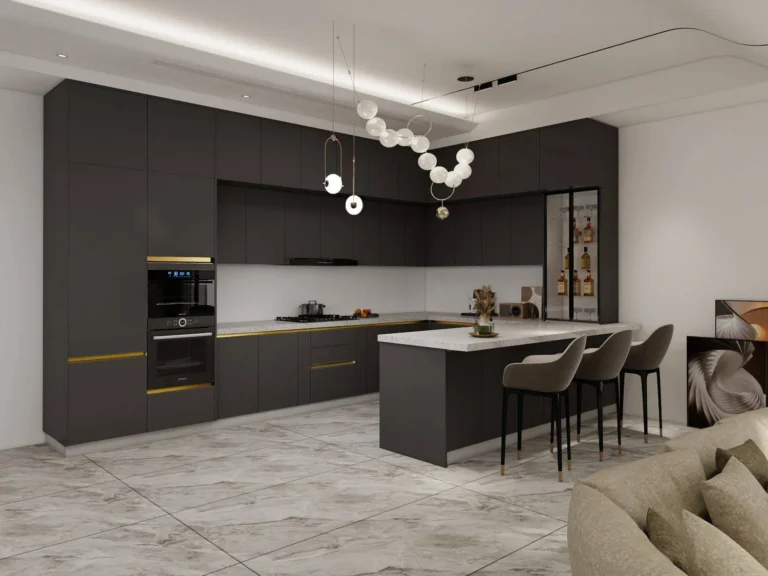
You can create a modern luxury kitchen by using large-format marble slabs with continuous veining across island and backsplash for a seamless, gallery-like effect. Opt for polished Calacatta or Statuario for bright white backgrounds and strong gray veins that read as high-end and contemporary.
Pair marble with matte-black fixtures and brushed brass hardware to add contrast without clutter. Keep cabinetry minimal—handleless fronts or flat panels in warm dove gray or deep navy let the marble become the focal point. For surfaces, favor bookmatched slabs on the island face and waterfall edges to emphasize slab continuity.
Include integrated appliances and undercabinet lighting to preserve clean sightlines. Add a few natural-wood accents—open shelving or a butcher-block prep area—to introduce warmth and prevent the space from feeling cold.
Classic and Timeless Marble Kitchen Designs
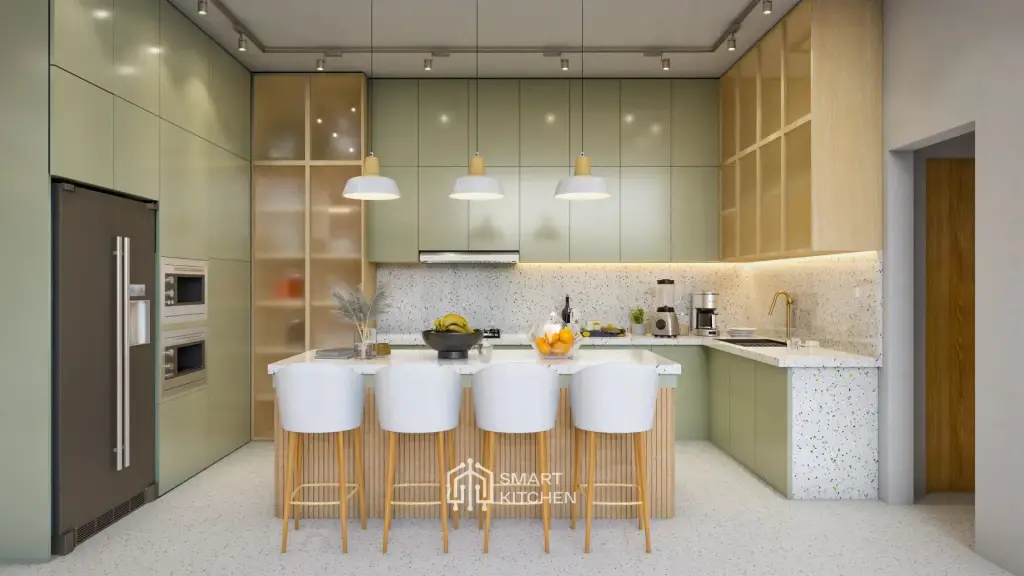
You can achieve a classic marble kitchen by combining honed marble countertops with painted shaker cabinets in soft neutrals like cream or sage. Choose Carrara or honed Bianco for subtle veins and a softer, lived-in appearance.
Incorporate traditional details: crown molding, inset cabinet doors, and panelled range hoods that echo period architecture. Use warm nickel or antique brass hardware to reinforce a timeless aesthetic while avoiding overly shiny finishes.
Keep functional choices practical—seal honed surfaces and use dense, low-porosity marble for high-traffic areas like prep zones. Consider marble flooring in smaller patterns (e.g., chequer or basketweave) to introduce classic patterning without overwhelming the counters.
Sustainable and Responsible Marble Sourcing
You will learn how to verify ethical origin and reduce environmental impact when using marble in a luxury kitchen. Focus on traceability, worker welfare, and low-impact installation and maintenance methods.
Choosing Ethically Sourced Marble
Ask suppliers for chain-of-custody documentation that shows the quarry, processing sites, and transport routes. Look for third-party certifications or audit reports from recognized bodies; if none exist, request supplier-provided evidence of labor standards, safety records, and local community agreements. Prioritize quarries that demonstrate responsible waste management and water use reduction.
Consider reclaimed or remnant marble from previous projects to cut new quarrying. Compare embodied carbon: choose closer quarries to reduce transport emissions and favor types with high durability so you replace surfaces less often. Negotiate contracts that include restoration or rehabilitation commitments for quarry sites.
Eco-Friendly Practices in Marble Kitchen Renovations
Plan for minimal demolition: reuse existing marble where possible and salvage offcuts for backsplashes, shelves, or window sills. Use low-VOC adhesives and sealers certified for indoor air quality to protect your household and meet building-code limits.
Specify water-efficient polishing and cutting techniques at the fabrication shop, and confirm they recycle slurry and dust. Insist on installers who follow dust containment and waste-separation protocols on site. For long-term performance, choose maintenance schedules and products that reduce the need for harsh chemicals and frequent replacements.